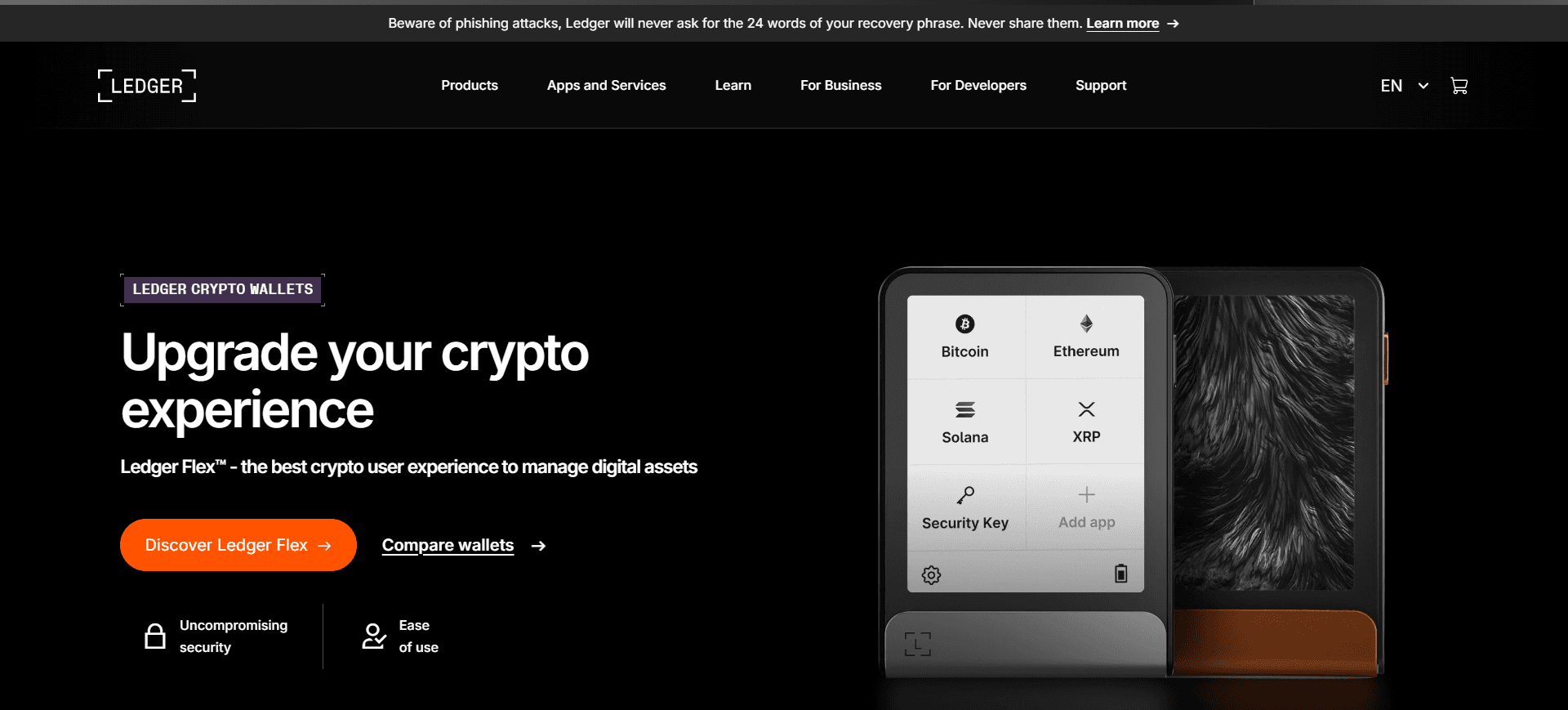
Ledger.com/start is the official onboarding entry point created by Ledger to help users install Ledger Live, initialize their Ledger hardware wallet, and understand how to manage cryptocurrency securely. As hardware wallets become more essential due to increased online threats, educational guidance plays a major role in helping new users avoid mistakes. This long-form plain-text guide explains, in detail, what Ledger.com/start is used for, what users learn during the setup process, how Ledger devices work, and how to follow strong security practices when handling digital assets. The content here is for informational purposes only and does not replace official documentation or instructions.
Introduction to Ledger Hardware Wallets
A Ledger hardware wallet is a physical device designed to store private keys offline. Private keys represent ownership of cryptocurrency, and keeping them offline significantly reduces the risk of hacking, phishing, and malware-related theft. Ledger wallets use a secure element chip to protect sensitive information, making them a popular choice for individuals who want strong self-custody of their assets.
Ledger.com/start acts as the starting point for this process. It guides users step-by-step so they can properly initialize the device, create a backup recovery phrase, and install the software necessary for crypto management. The purpose of the onboarding page is to simplify the experience and reduce security risks by ensuring users learn the correct procedures directly from official instructions.
Why Ledger.com/start Matters
Many users new to the world of cryptocurrencies do not fully understand how hardware wallets work. Ledger.com/start provides clear explanations and carefully structured setup steps. This matters because improper setup, unsafe storage of the recovery phrase, downloading unofficial software, or falling for malicious websites can lead to permanent loss of funds. Ledger.com/start helps prevent these risks by giving users a trusted reference point.
Before starting, users are encouraged to have their Ledger device, a computer or smartphone, and a stable internet connection ready. The unpacked box typically contains the device, a USB cable, blank recovery sheets, and basic documentation. Ledger.com/start teaches users to examine the device, ensure nothing looks altered, and confirm it did not come with a pre-written recovery phrase. A genuine device always generates the recovery phrase privately and only on the hardware wallet screen.
Getting Started: Visiting Ledger.com/start
When users go to Ledger.com/start for the first time, the page provides a simple and structured flow. The first instruction normally involves downloading Ledger Live, which is the companion application that connects your device to blockchain networks. Ledger Live is used for installing apps, viewing balances, managing accounts, updating firmware, and signing operations.
Even though Ledger Live helps manage digital assets, it does not store private keys. This distinction is important for users to understand. All sensitive operations happen on the hardware wallet itself, and Ledger.com/start teaches this separation of responsibilities clearly.
Understanding Ledger Live
Ledger Live acts as the software control panel for your Ledger device. Through this application, users can:
Add crypto accounts
Install and uninstall apps
View portfolio balances
Send and receive cryptocurrency
Update firmware
Connect to partner services
Verify device information
Ledger.com/start emphasizes that Ledger Live should always be downloaded through official instructions. The application must never be obtained from unverified sites or unknown sources. Ledger Live acts as a bridge between blockchain interactions and your offline hardware device, and keeping this software authentic is essential to maintaining security.
Step-by-Step Setup Process Explained
The core of the Ledger.com/start experience is guiding users through the initialization process. The instructions are designed to be simple but thorough. Below is a detailed explanation of what users typically learn.
Powering On the Device
After connecting the device via USB or turning it on, users follow prompts on the screen. Ledger devices rely on physical buttons for navigation, allowing secure confirmation of every step.Starting a New Wallet
For new users, the setup includes creating a new wallet. The device will display instructions and generate a new private key internally. This private key is never exposed and remains within the secure element chip.Creating a PIN Code
Users must create a PIN code that unlocks the hardware wallet. Ledger.com/start instructs users to choose a PIN that is difficult for others to guess and to avoid writing it down in accessible places.Generating the Recovery Phrase
The recovery phrase is one of the most important aspects of the entire process. Ledger.com/start explains that this 24-word phrase is the only backup to your wallet. If the device is lost, damaged, or reset, the recovery phrase restores access. Because it grants full control over all associated assets, it must be protected at all costs.
The device displays the phrase one word at a time. Users are instructed to write it on the provided recovery sheets and store it offline. The recovery phrase should never be photographed, typed into websites, or stored on cloud services.
Confirming the Recovery Phrase
To ensure accuracy, the device asks users to confirm several of the words. This minimizes the chance of mistakes, which could otherwise lock someone out of their own wallet permanently.Installing Cryptocurrency Apps
Once the recovery phrase is secured, Ledger Live instructs users to install specific apps related to the assets they want to manage. Each supported cryptocurrency requires its own app on the device. Ledger.com/start explains that app installation does not expose sensitive information; instead, apps function as protocols that allow the device to interact with blockchain networks.Adding Crypto Accounts in Ledger Live
After installing apps, users add accounts. An account represents a specific blockchain address generated securely through the hardware wallet. The private key behind the account never leaves the device, but the public address and account data are visible in Ledger Live.
Security Education at Ledger.com/start
Beyond initial setup, Ledger.com/start teaches essential security principles that every crypto user should understand. These include:
Never sharing your recovery phrase
Never entering the recovery phrase on websites
Avoiding software downloads from unofficial sources
Checking the URL for authenticity
Recognizing phishing attempts
Verifying receiving addresses on the device screen
Understanding that Ledger support will never ask for private keys
Knowing how to protect physical devices
Ledger devices are designed with the principle that private keys should never touch the internet. Ledger.com/start reinforces this by showing users how to approve transactions physically on the device. Because blockchain transactions cannot be reversed, users must double-check transaction details, and the hardware wallet makes that possible.
Maintaining the Device: Firmware and App Updates
As part of its ongoing guidance, Ledger.com/start explains how firmware updates work. Firmware updates improve security, add support for new assets, and enhance device performance. When updates are available, Ledger Live will notify users, and the device will require physical confirmation before anything changes. This method ensures that updates cannot be installed without the user’s permission.
Ledger Live may also require periodic updates for crypto apps. These updates may include optimizations, security improvements, or additional blockchain features. Ledger.com/start encourages users to stay updated but also advises verifying update prompts carefully to avoid confusion with malicious attempts.
Common Mistakes Ledger.com/start Helps Avoid
Many new users make errors due to unfamiliarity with crypto technology. Ledger.com/start helps prevent common mistakes by educating users early. These common mistakes include:
Entering the recovery phrase into a computer or phone
Downloading fake versions of Ledger Live
Using a device with a pre-written recovery phrase
Storing the recovery phrase online
Assuming the PIN is the backup
Ignoring authenticity checks
Handling the device carelessly in public places
The educational content on Ledger.com/start emphasizes personal responsibility. Because users hold their own keys, they must take precautions accordingly.
Self-Custody Principles Taught Through Ledger.com/start
Ledger.com/start plays an important role in teaching self-custody basics. Unlike custodial services, hardware wallets give users full control over their assets. With control comes responsibility. The page explains that:
You control your private keys.
The device generates and secures these keys.
The recovery phrase is the ultimate backup.
If someone gains access to the recovery phrase, they gain full access to the wallet.
If the recovery phrase is lost, the wallet cannot be recovered.
Self-custody is empowering but requires careful handling. Ledger.com/start introduces users to this responsibility from the beginning.
Using Ledger After Setup
After completing the steps at Ledger.com/start, users can begin managing crypto confidently. Typical actions include:
Sending and receiving assets
Tracking portfolio performance
Connecting with Web3 services
Swapping assets through partnered services
Staking supported assets
Installing additional apps
Managing multiple accounts
Every transaction still requires physical confirmation on the device, an essential security feature that prevents unauthorized transfers.
Conclusion
Ledger.com/start is designed to give users a safe and structured path for setting up their Ledger hardware wallet. It provides clear, essential education about creating a wallet, understanding the recovery phrase, navigating Ledger Live, maintaining device security, and developing strong self-custody habits. This 2000-word educational plain-text guide expands on those ideas to help users understand the purpose of the onboarding experience and why secure setup practices matter.
Whether you are new to cryptocurrency or transitioning from software wallets, Ledger.com/start serves as a foundational learning tool and a secure starting point. By following proper procedures and respecting the responsibility that comes with self-custody, users can manage their digital assets with greater confidence and control.