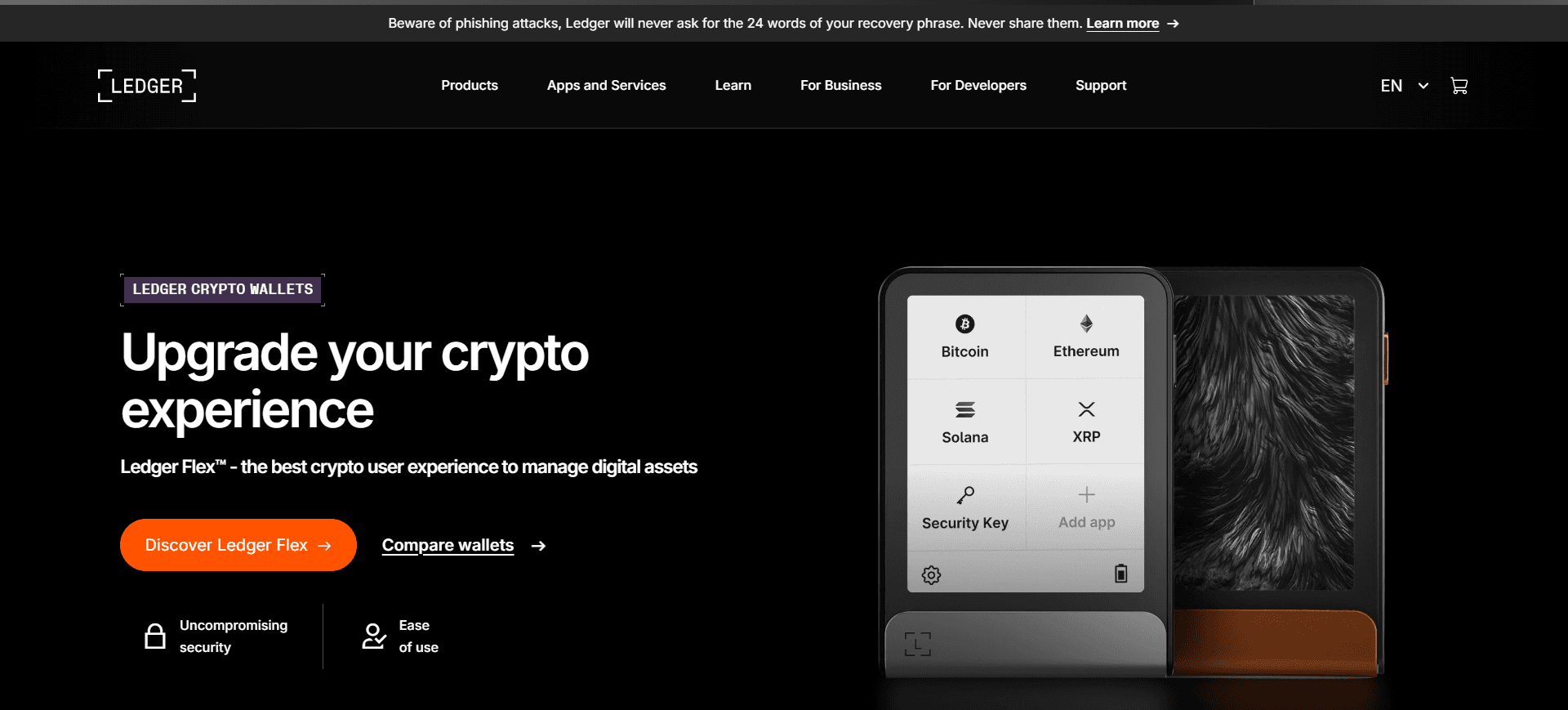
Ledger.com/start is the official onboarding gateway designed to help users begin their journey with Ledger hardware wallets. Whether someone has purchased a Ledger Nano S Plus, Ledger Nano X, or any other Ledger model, they typically begin the setup process by visiting the page printed on the quick-start card included in the box. The purpose of this page is to provide a secure, simple, and trustworthy path that guides users through installation, education, device setup, and essential security knowledge.
Ledger.com/start represents, how it helps users understand the basics of hardware wallets, what to expect during setup, how to manage a secure recovery phrase, how the Ledger Live application works, common mistakes new users should avoid, and what principles of self-custody are involved. This content is educational in nature and does not replace official manufacturer guidance. Instead, it helps readers understand the general concepts behind Ledger’s onboarding flow so they can follow the correct steps safely and with confidence.
Introduction: Why Ledger.com/start Exists
The world of cryptocurrency introduces people to a new type of digital ownership. Instead of banks and custodians holding assets on behalf of customers, crypto users can choose to maintain custody themselves. Hardware wallets are one of the safest tools for this purpose. They provide a secure, offline environment for private keys, making it much harder for attackers to steal access to assets.
Ledger.com/start exists to provide a central, trustworthy location for users to learn how to use these devices correctly. Because cryptocurrencies are digital and irreversible, it is essential that newcomers begin with proper knowledge. Visiting the official start page helps avoid relying on unsafe search results, unofficial instructions, or websites that mimic legitimate platforms. It becomes the user’s first checkpoint in building a secure self-custody strategy.
Unboxing Your Ledger and the Role of Ledger.com/start
When a user opens a new Ledger device, they typically find the hardware wallet, a USB cable, a quick-start card, several blank recovery sheets, and informational material. The quick-start card directs them to Ledger.com/start, which explains the initial steps in a clear format. Instead of guessing how to configure the device, users follow a structured path.
Ledger.com/start educates the user to check that the device appears new and undamaged. Although Ledger uses secure hardware design instead of tamper-evident packaging, users should still ensure the device has no unusual marks or alterations. The site also teaches a critical rule: the device must never come with a prewritten recovery phrase. Recovery phrases must always be generated by the user, directly on the device, during setup. If a seller provides a device with a recovery phrase already written down, the device is unsafe to use.
Understanding Hardware Wallets Before Setup
Ledger.com/start also helps visitors understand the concept of hardware wallets. A hardware wallet does not store cryptocurrency itself. Instead, it stores the private keys that authorize transactions on the blockchain. These private keys never leave the device. Because they remain offline, they cannot be stolen by malware, keyloggers, or phishing attempts targeting the user’s computer or phone.
The page explains how hardware wallets sign transactions internally. When a user wants to send cryptocurrency, Ledger Live transmits transaction details to the hardware device. The device displays the details on its own secure screen. The user reviews them and confirms physically with the device’s buttons. Only then does the hardware wallet cryptographically sign the transaction. The signed data is then sent back to Ledger Live, which broadcasts it to the blockchain network.
This separation between private key storage, transaction signing, and online communication is what makes hardware wallets one of the most secure tools in crypto.
Downloading Ledger Live: The First Step at Ledger.com/start
One of the main purposes of Ledger.com/start is to direct users to download Ledger Live, which is the official companion application. Ledger Live functions as the central interface where users manage their crypto accounts, install apps on their Ledger device, check firmware status, view balances, and perform operations such as sending and receiving assets.
Users are taught the importance of downloading Ledger Live only through the official source. Because phishing websites may attempt to impersonate wallet software, Ledger.com/start helps prevent the common mistake of installing malware. Once Ledger Live is downloaded and installed, it becomes the trusted connection between the user and their hardware wallet.
Beginning the Device Setup Through Ledger Live
After launching Ledger Live, the user is guided through an onboarding flow. The app asks what device the user owns and whether they want to set it up as new or restore an existing recovery phrase. For new users, setting up the device as new is the standard path. Ledger.com/start explains this process so the user understands what is happening at each step.
The device setup includes choosing a PIN code. This PIN protects the physical device itself. If someone steals the hardware wallet, they cannot access its contents without this PIN. The onboarding flow encourages users to choose a strong PIN that is not easily guessable and to memorize it.
The Recovery Phrase: The Most Important Part of Ledger.com/start
One of the most crucial educational sections on Ledger.com/start concerns the recovery phrase, also known as the seed phrase. This phrase consists of 24 randomly generated words displayed on the Ledger device screen. It represents the backup of the user’s entire wallet. If the user loses the device or it becomes damaged, the recovery phrase is the only way to restore access to funds.
Ledger.com/start makes clear that this recovery phrase must be written down on the provided recovery sheets and stored offline in a safe place. It must never be typed into computers, phones, cloud storage, email accounts, or websites. No legitimate support team, wallet service, or application asks for this phrase. Keeping it private is the foundation of crypto security.
The site also explains that users must confirm the phrase on the device during setup. This ensures that they recorded it accurately. A mistake in writing down the phrase can lead to permanent loss of access, so confirmation is a critical step.
Installing Apps and Adding Accounts in Ledger Live
Once the recovery phrase is secured and the device is initialized, Ledger Live guides the user through installing individual apps on the hardware wallet. Each supported cryptocurrency requires its own app. This modular approach keeps the device organized and efficient.
After installing apps, users add accounts in Ledger Live that correspond to their crypto addresses. These accounts allow users to see balances, view transaction histories, and manage assets. Ledger.com/start helps first-time users understand why apps and accounts are separate and how the device and software work together.
Security Best Practices Highlighted at Ledger.com/start
The start page provides broad education around safe crypto usage. Some of the most important lessons include:
Never share the recovery phrase with anyone.
Always verify that the URL you visit is spelled correctly.
Confirm all transaction details on the device screen, not just in Ledger Live.
Avoid connecting the hardware wallet to untrusted devices.
Keep the device’s firmware updated to the latest version.
Back up the recovery phrase using offline, secure storage.
Be cautious of unsolicited messages claiming to offer help.
Ledger.com/start teaches users that even with a secure device, unsafe habits can compromise security. By following these principles, users significantly reduce the risk of errors and scams.
Firmware Updates and Device Maintenance
Ledger.com/start also explains that firmware updates are sometimes necessary to add new features or improve security. These updates are performed through Ledger Live. Users must confirm the update physically on the device, ensuring that unauthorized software cannot modify the hardware wallet. Keeping firmware current is an important aspect of long-term safety.
Restoring a Wallet with a Recovery Phrase
Another topic explained at Ledger.com/start is the restoration process. If the device is lost, damaged, or replaced, users can recover their wallet by selecting the restore option during setup and entering their 24-word phrase. While this process is simple, it must be performed in a private, secure location where cameras, microphones, and other devices cannot record the phrase.
Understanding the Philosophy of Self-Custody
A major purpose of Ledger.com/start is to introduce users to the idea of self-custody. When users control their own private keys, they take full responsibility for their digital assets. Unlike a centralized exchange, there is no third-party that can recover the wallet if the recovery phrase is lost. This independence is both empowering and demanding. The site helps users understand this responsibility so they can make informed decisions about how to manage their assets.
Common Mistakes New Users Make and How Ledger.com/start Helps Prevent Them
There are several mistakes that beginners often make when entering crypto. Ledger.com/start is designed to prevent these by offering clear guidance. Some common mistakes include:
Downloading fake wallet software
Entering a recovery phrase on a website
Buying a preconfigured device with a phrase included
Losing the recovery phrase
Confusing a PIN code with the recovery phrase
Sending assets to the wrong address
Skipping device authenticity checks
Using unofficial setup instructions found online
By providing an authoritative starting point, Ledger.com/start reduces the risk of users falling into these traps.
Life After Setup: Using Ledger Securely Over Time
Once setup is complete, users interact with their Ledger devices whenever they want to send assets, manage accounts, or explore services that integrate with Ledger Live. The hardware wallet becomes a safeguard, ensuring that all sensitive operations require physical confirmation.
Ledger.com/start also encourages users to continue learning. Crypto evolves rapidly, and ongoing education helps users stay informed about security, network changes, and wallet best practices.
Conclusion
Ledger.com/start is more than just an onboarding page. It is a foundational resource designed to teach users how to safely set up, understand, and begin using their Ledger hardware wallet. It introduces key concepts such as recovery phrases, transaction verification, firmware updates, self-custody principles, and secure device operation. By following the educational flow, users gain the confidence needed to interact with cryptocurrency securely. This 2000-word plain-text guide expands on those concepts to help readers understand the importance of secure setup, proper backup practices, safe usage habits, and the long-term responsibilities associated with managing digital assets.